

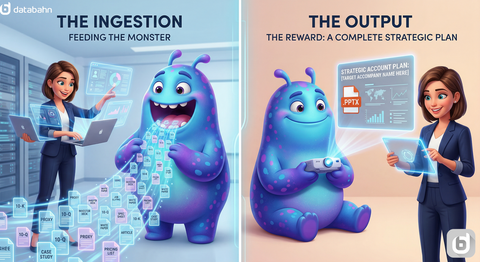
You can fix your top 10 account plans in one afternoon

If you stop asking AI the wrong questions.
Most Enterprise AEs I talk to are drowning in:
• AI assistants
• Reports
• Intent data
• Decks and PDFs
But when you ask, “Show me your actual plan for one greenfield Fortune 1000,” everything suddenly gets vague.
Not because you’re lazy.
Because your inputs are random.
You’re asking AI for:
“𝗕𝘂𝗶𝗹𝗱 𝗺𝗲 𝗮𝗻 𝗮𝗰𝗰𝗼𝘂𝗻𝘁 𝗽𝗹𝗮𝗻 𝗳𝗼𝗿 𝗔𝗖𝗠𝗘 𝗖𝗼𝗿𝗽”
…without feeding it what actually matters or pointing it at the right sources.
Here’s the uncomfortable truth:
If you don’t 𝘰𝘷𝘦𝘳𝘧𝘦𝘦𝘥 your AI and control what it crawls, it will confidently hallucinate your strategy.
What’s working much better for me lately (using Manus.ai as one example) is brutally simple:
𝗦𝘁𝗲𝗽 𝟭 – 𝗙𝗲𝗲𝗱 𝗶𝘁 𝗲𝘃𝗲𝗿𝘆𝘁𝗵𝗶𝗻𝗴 𝘁𝗵𝗮𝘁 𝗮𝗰𝘁𝘂𝗮𝗹𝗹𝘆 𝗿𝗲𝗳𝗹𝗲𝗰𝘁𝘀 𝘁𝗵𝗲 𝗮𝗰𝗰𝗼𝘂𝗻𝘁
Public signals:
• 10‑Ks, 10‑Qs, proxy statements
• Investor decks and earnings call transcripts
• Job descriptions and social profiles
• News, product launches, partnerships, press releases
• etc. etc. etc.
Plus:
Drop in web links to the best external sources you can find:
• Articles and deep dives on the company and its industry
• Analyst notes, blogs, and thought leadership
• Press releases about strategy, M&A, and key hires
• Even links to your competitors’ websites and product pages
The more high‑quality links you give it, the more your agent can crawl the right content instead of guessing.
Tools like Manus will actively browse and correlate those URLs; ChatGPT is still more limited here.
Account data:
• Contact Info lists (names, titles, locations, reporting lines)
• Known tech stack and a current IT budget data
Your own POV:
• Solution briefs and spec sheets
• Case studies and customer stories
• Battlecards, value props, and pricing narratives
I usually consolidate all of this info in 2 or 3 PDF files to make it easier to manage.
𝗦𝘁𝗲𝗽 𝟮 – 𝗔𝘀𝗸 𝗳𝗼𝗿 𝗽𝗹𝗮𝘆𝘀, 𝗻𝗼𝘁 “𝗶𝗻𝘀𝗶𝗴𝗵𝘁𝘀”
Instead of “summarize this account,” ask things like:
• “Map business contacts to the solutions they’re most likely to care about.”
• “Map technical contacts to the capabilities we lead with.”
• “Map purchasing/finance contacts to our pricing and commercial advantages.”
• “Based on roles, job history, and the links I gave you, suggest 3 concrete entry points with the highest likelihood of success.”
• “Create a battlecard vs the incumbent using weaknesses hinted at in job descriptions, reviews, tech stack, and the competitor site I linked.”
• “Given HQ vs 50+ subsidiaries, recommend direct vs indirect sales motion and why.”
• “Using the board/executive data and executive leadership team links (insert URLs) or board member links (insert URLs) or LinkedIn profile links (insert URLs), identify any exec‑to‑exec or board‑level connection paths between our leadership and theirs.”
When you overfeed Manus (or any serious agent) with documents + links like this, something important happens:
It stops acting like a fact‑generator.
It starts acting like an 𝗮𝗰𝗰𝗼𝘂𝗻𝘁 𝘀𝘁𝗿𝗮𝘁𝗲𝗴𝗶𝘀𝘁.
That’s how you cut the time to a usable account plan from days to a single afternoon:
• One workspace
• Aggressive inputs (files and URLs)
• Questions that force it to output plays, not trivia
If you’re staring at 10 “important” accounts and zero clear plays, don’t buy another tool yet.
First, ask:
“Have I actually given my AI a full picture of the account and pointed it at the right sources… or did I just type the company name and hope for the best?”
This week, pick one greenfield account and:
• Overfeed your AI with documents, links, and your own assets
• Ask it to tell you 𝘄𝗵𝗼 𝘁𝗼 𝗰𝗮𝗹𝗹, 𝘄𝗵𝗮𝘁 𝘁𝗼 𝘀𝗮𝘆, 𝗮𝗻𝗱 𝘄𝗵𝘆
Then compare that plan to the last one you built from scattered notes and a single chatbot.
If the difference is night and day, connect with me in LinkedIn — I’m sharing more ways to turn AI from noise into real account strategy for Fortune 1000 and Global 2000 strategic account selling.